
Current Repo Rate in India
Repo Rate
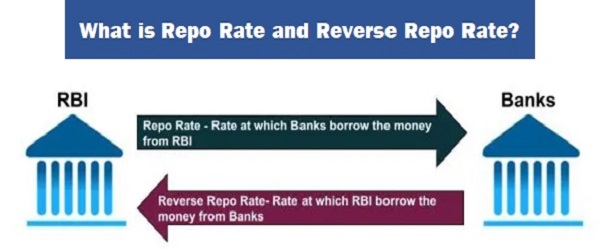
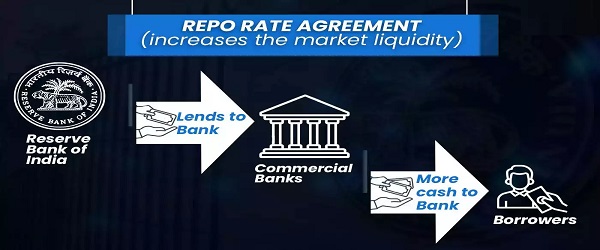
- Repo Rate: It is the interest rate charged by the RBI (Reserve Bank of India) when commercial banks borrow by selling their securities to the central bank. Basically, it is the interest charged by the RBI when banks borrow from it - much like commercial banks charge you interest for a car loan or home loan.
- Current Repo Rate: 5.25%
- Reverse Repo Rate: It is the rate of interest at which banks place their money with the RBI. All banks are mandated to maintain statutory reserves with the RBI as per the stipulated cash reserve ratio and the statutory liquidity ratio (SLR)
- Current Reverse Repo Rate: 3.35%
- Last Updated: Feb, 2026
- Source: RBI Press Release
When the repo rate rises, the borrowing cost for banking institutions rises as well, which is passed on to account holders in the form of higher loan and deposit interest rates. “Borrowing money from a bank becomes more expensive as a result, slowing investment and money supply in the market.The real estate sector, which has seen a good pickup in sales due to low financing costs, may be adversely affected by the RBI's rate hike step" .
Repo Rate is decided bi-monthly by RBI's Monetary Policy Committee.
Repo Rate is changed as per the liquidity position and inflation rate. RBI has not changed the rate for a year because: 1.A rate cut will intensify the post-pandemic inflation that exists especially in certain sectors 2.A rate hike will impede the money flow in the market which is required to boost the economy after the lockdown It stands stagnant till the next bi-monthly meeting of RBI.
When the RBI increases the repo rate, banks increase interest rates on loans such as home loans, personal loans, and business loans. When the repo rate decreases, borrowing becomes cheaper and EMIs may reduce.